
Valplast vs Acrylic: Choosing the Right Partial Denture Material
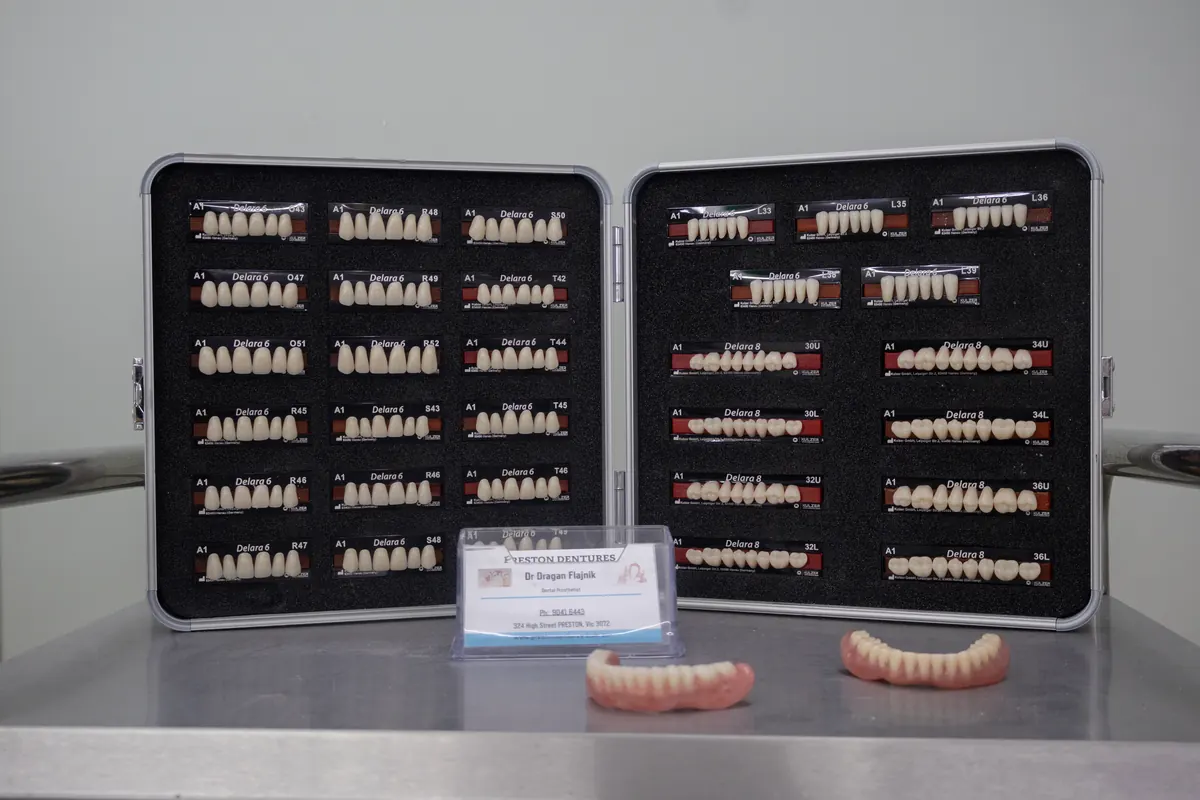
If you are choosing a partial denture, the material it is made from affects how it looks, how it feels and how long it lasts. Valplast is a flexible thermoplastic nylon, while acrylic is the rigid resin used in most conventional partials. This article explains what each material is, how they compare, and who each suits, with guidance from our Preston clinic.
What Is a Valplast Partial Denture?
A Valplast partial denture is made from a thermoplastic nylon rather than rigid acrylic or metal. The material is thin, light and slightly flexible, which is what gives Valplast partials their comfortable, discreet feel.
The clasps that hold a Valplast partial in place are made from the same gum-coloured material, so they blend into your gumline rather than sitting as visible metal hooks. This makes Valplast a popular choice where appearance matters, such as replacing teeth near the front of the mouth.
What Is an Acrylic Partial Denture?
An acrylic partial denture is made from a rigid resin, usually with stainless steel clasps for retention. It is the most common and most affordable type of partial denture, and it is relatively easy to adjust, reline and repair.
Because the acrylic base is rigid, it spreads chewing pressure across the gum evenly, which some patients find more stable. The trade-off is that the metal clasps can be visible, and the base can feel bulkier than a thin flexible partial.
- Acrylic is rigid and stable; Valplast is thin and flexible
- Acrylic uses visible metal clasps; Valplast uses gum-coloured clasps
- Acrylic is easier to adjust and repair; Valplast needs laboratory work
- Acrylic is generally the more affordable option
Valplast vs Acrylic: Which Looks More Natural?
For appearance, Valplast usually has the edge. Its gum-coloured clasps blend into the gumline, so they are far less obvious than the metal clasps on a conventional acrylic partial. This is why Valplast is often chosen for teeth near the front of the mouth where a metal clasp would show.
That said, a well-made acrylic partial can still look natural, and modern acrylic teeth come in a wide range of shades. The right choice depends on which teeth you are replacing and how visible the clasps will be, which a prosthetist can assess at a consultation.
Comfort and Fit: Flexible or Rigid?
Valplast is lighter and flexes gently with the mouth, which many patients find more comfortable from the first fitting. The slight give also dampens chewing forces, which can reduce sore spots for some wearers.
Acrylic is rigid, which gives a stable, solid feel but can feel bulkier in the mouth. For sensitive or thin gums, the lighter, more yielding feel of Valplast is often preferable, though the best choice depends on your bite and your comfort.
Durability, Repairs and Relines
Acrylic is the easier material to work with for repairs and relines. A chipped tooth, a cracked base or a worn fitting surface can usually be repaired or relined at the clinic or in our laboratory without starting again.
Valplast is tough and resists snapping, but repairs and relines are harder. Adding a tooth or relining a Valplast partial needs a pickup impression and laboratory work, so it takes longer and can cost more than the same work on an acrylic partial.
When to See a Dental Prosthetist
If you are weighing up a Valplast or acrylic partial denture, book a consultation. A dental prosthetist can assess your bite, show you both materials, and recommend the one that suits your case and budget. Call our Preston clinic on 9041 6443.
Key Takeaway
Valplast is lighter and more discreet with gum-coloured clasps, while acrylic is more affordable, stable and easier to repair. The right material depends on your bite, your budget and which teeth you are replacing, which a prosthetist assesses at a consultation.
Frequently Asked Questions
Have a Question About Your Care?
Our clinical team is happy to discuss any aspect of your dental or denture health. We offer initial consultations for all new patients in Preston.
Related Articles
Valplast Dentures: What They Are, Who They Suit and the Trade-Offs
A Valplast denture is a flexible partial denture, made from a thermoplastic nylon instead of hard acrylic or metal. This guide covers who it suits, how it compares with Flexite and with metal partials, and the trade-offs.
Digital Dentures vs Conventional Dentures: What Actually Differs
Digital dentures vs conventional dentures is mostly a question about how the denture is made, not what it is. Here is what actually differs, and where the research stops short of a clear winner.
How Much Do Dentures Cost in Australia? What We Charge and Why
How much do dentures cost in Australia? It depends on the type of denture, the materials and who makes it. We publish our prices, and this guide explains what decides the price at Preston Dentures and what your quote includes.