
Valplast Dentures: What They Are, Who They Suit and the Trade-Offs
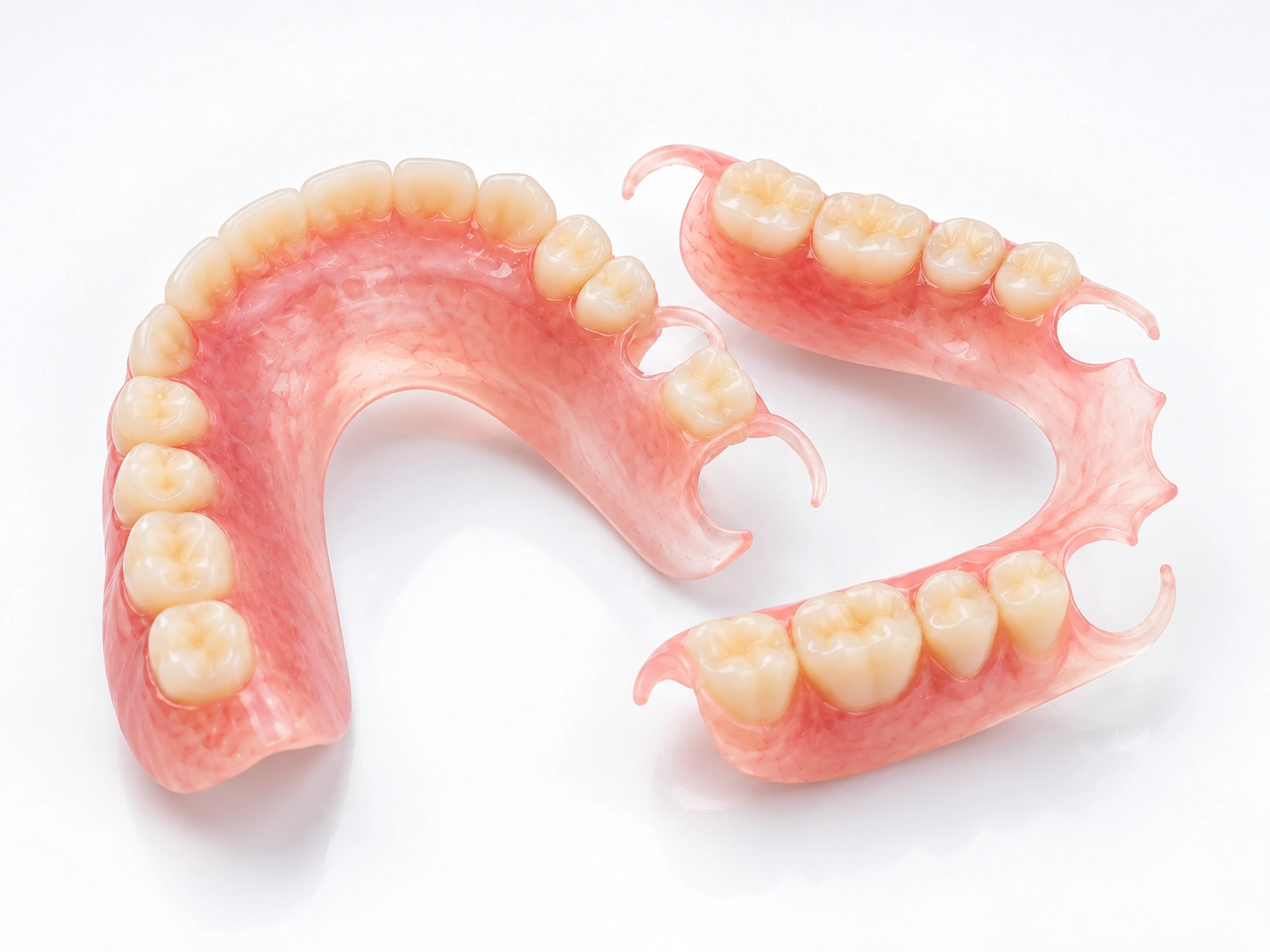
A Valplast denture is a flexible partial denture, made from a thermoplastic nylon instead of hard acrylic or metal. People often ask about it because it looks less obvious than a traditional partial. It isn't the right choice for everyone, though, so this guide covers who it suits, how it compares with Flexite and with metal partials, and the trade-offs. Preston Dentures, 324 High Street, Preston, makes flexible partial dentures in its own laboratory.
What is a Valplast denture?
A Valplast denture is a flexible partial denture made from a thermoplastic nylon, rather than the hard acrylic or metal used in other partials. It replaces some of your teeth and is held in place by clasps around the teeth you still have.
Dentistry IQ describes Valplast as a durable thermoplastic nylon valued for its esthetics, durability and malleability. Our flexible partial dentures page covers the service.
Who are Valplast dentures suited to?
Valplast is often chosen when looks matter, such as for front teeth, or when someone is allergic to acrylic, because it is free of acrylic monomer. Whether it suits you depends on which teeth are missing and how your bite works, so we decide that at an examination.
The same trade article says clasps can be kept to a minimum in esthetic cases, and Spear Digest lists it as a good option for people with acrylic or certain metal allergies.
What's the difference between Valplast and Flexite?
Valplast and Flexite are both brand names of thermoplastic materials used to make flexible partial dentures. Spear Digest lists them together with a third brand and notes that they differ in how they are processed, with some needing higher temperatures or injection pressures.
We make flexible partial dentures at Preston Dentures, and at your consultation we will tell you which material we would use for your case and why.
How does Valplast compare with a chrome (metal) partial denture?
Valplast is usually chosen for appearance, because it has fewer visible clasps, while a cobalt chrome partial is the traditional metal option. One clinical author rates the esthetics of thermoplastic partials as far superior to conventional acrylic or metal partials.
Which one is right for you depends on which teeth you are replacing and how your bite works. We explain both at the consultation; see our partial dentures page for the metal option.
What are the advantages and disadvantages of Valplast dentures?
Valplast's main advantages are its appearance and the absence of acrylic monomer, and its main disadvantages are that it is harder to adjust and that repairs and relines need laboratory work. The cost can also be slightly higher than a conventional acrylic partial.
Can teeth be added to a Valplast denture later?
In many cases, yes, but it needs a pickup impression and laboratory work. Dentistry IQ calls the belief that Valplast can't be added to or relined a misconception.
Whether a tooth can be added depends on the design of your existing denture and how your mouth has changed since it was made. Bring the denture to your free consultation and we will examine it, then tell you whether adding a tooth is possible or whether a new denture is the better option.
Whether it is possible for your denture depends on its design and how your mouth has changed, so it needs an examination.
Can a Valplast denture be relined or repaired?
Yes, but it can't be done chairside, because repairs and relines of Valplast have to be done in the laboratory, according to Dentistry IQ. A reline needs a special impression, and small repairs and larger ones use different techniques.
Our denture relines and denture repairs pages cover the services. Ask us whether your denture can be repaired and how long it would take.
How much do Valplast dentures cost?
We don't publish a single price for flexible partial dentures, because the cost depends on how many teeth are replaced and the design, so we quote after your free consultation. Spear Digest notes they may cost slightly more than an acrylic partial because laboratory fitting and finishing take longer.
Our other published prices are on the pricing page.
Next step. If you're weighing up a flexible partial against other options, your first consultation is free. Book your free consultation or call (03) 9041 6443.
Key Takeaway
A Valplast denture is a flexible partial denture made from a thermoplastic nylon, often chosen for its appearance or by people allergic to acrylic. The trade-offs are that it is harder to adjust, repairs and relines need laboratory work, and it can cost slightly more than an acrylic partial. Whether it suits you is decided at an examination, and your first consultation is free.
Frequently Asked Questions
Next step
If you're weighing up a flexible partial against other options, your first consultation is free.
324 High Street, Preston VIC 3072 · Mon–Thu 10am–5pm · Fri 10am–2pm · Sat by appointment · All visits by appointment
About the author
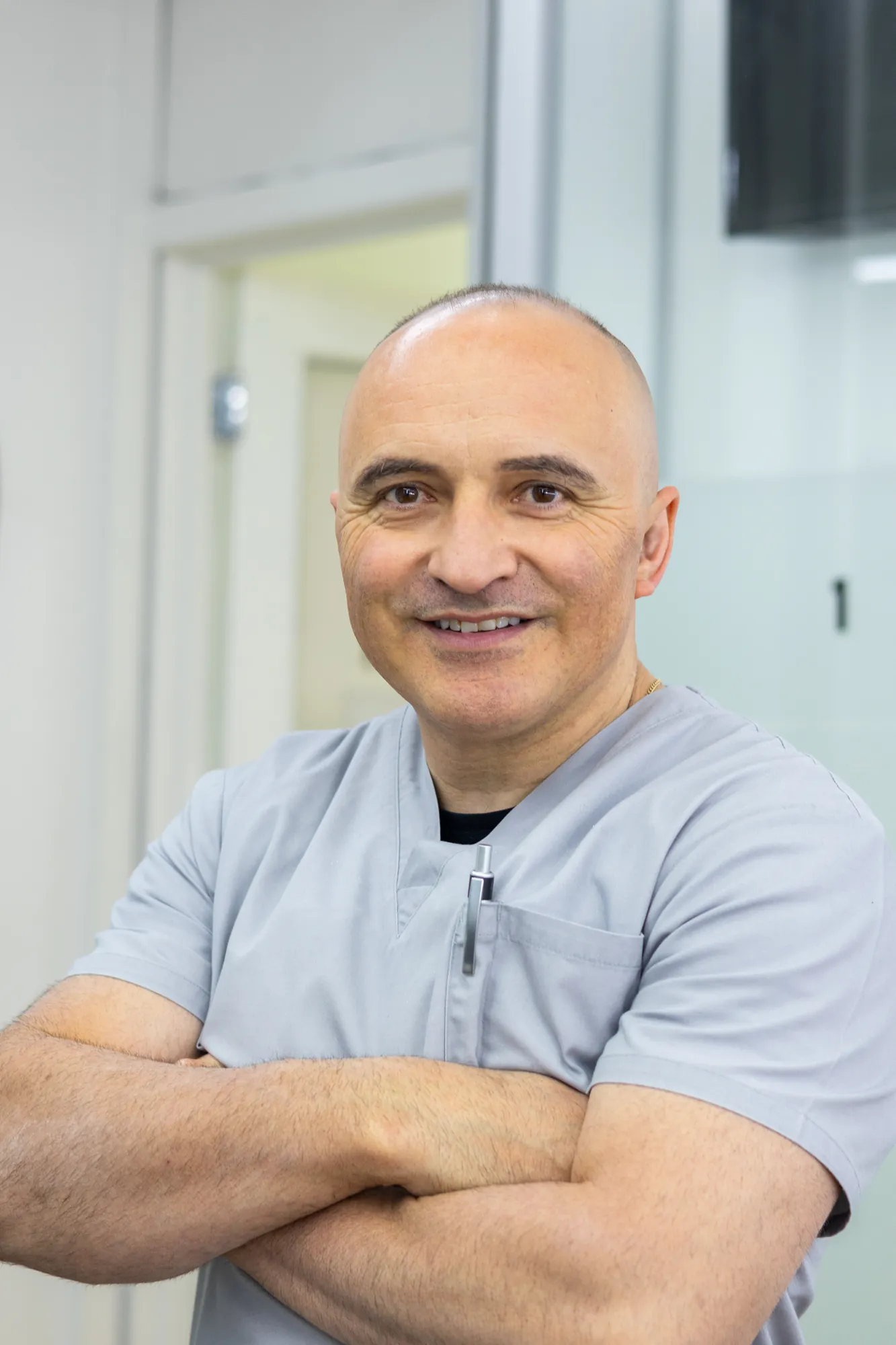
Dragan Flajnik is a dental prosthetist with over 20 years of experience. He makes dentures in the on-site laboratory at Preston Dentures, 324 High Street, Preston VIC 3072.
Related Articles
How Long Do Dentures Last? What to Expect and When to Replace Them
How long do dentures last? It depends less on the denture than on your mouth, because gums and jawbone keep changing after the teeth are gone. This guide sets out what the sources say, the signs that a denture needs attention, and how we decide between a reline and a replacement.
How Much Do Dentures Cost in Australia? What We Charge and Why
How much do dentures cost in Australia? It depends on the type of denture, the materials and who makes it. We publish our prices, and this guide explains what decides the price at Preston Dentures and what your quote includes.
Understanding Jawbone Resorption and How It Affects Denture Fit
Discover why your gums and jawbone shrink after tooth loss and how custom prosthetics maintain facial structure.