
Understanding Jawbone Resorption and How It Affects Denture Fit
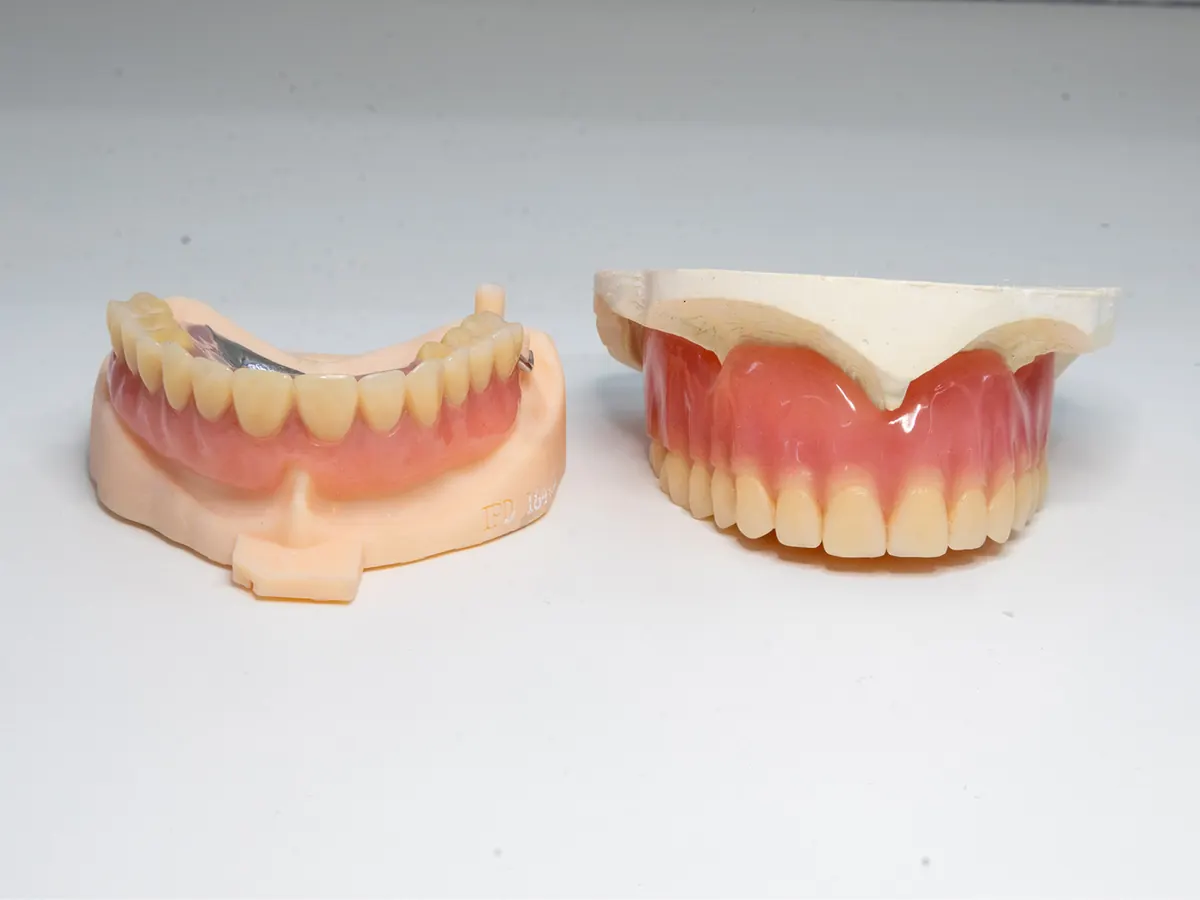
If your dentures felt perfect a few years ago but are loose today, the most likely reason is jawbone resorption — the natural shrinking of the bone that once held your teeth. Understanding why this happens helps explain why dentures need periodic relining and why the fit changes over time. This article covers the process in plain terms and what you can do about it at our Preston clinic.
What Is Jawbone Resorption?
Natural tooth roots stimulate jawbone tissue through chewing forces. When teeth are lost, the alveolar bone — the part of the jaw that held the roots — no longer receives that stimulation and gradually resorbs, or shrinks. It is a normal biological process, not a disease.
This is why dentures that fit perfectly three years ago can feel loose today. The denture has not changed shape, but the ridge it sits on has become smaller and slightly different in contour, leaving a gap under the base.
The Rate of Bone Resorption
Bone loss occurs most rapidly during the first 12 months after extraction, but it gradually continues throughout life. The lower jaw tends to resorb faster than the upper, which is one reason lower dentures are notoriously harder to keep stable.
The rate varies from person to person depending on factors like how long ago teeth were lost, general health, and whether any implants are present. This is why regular denture check-ups matter — they catch the slow changes before they become uncomfortable.
- Fastest bone change in the first year after extractions
- Lower jaw resorbs more quickly than the upper
- Continues slowly throughout life
- Varies between individuals based on health and history
Facial Aesthetics and Collapse
Progressive jawbone shrinkage reduces the height of the lower face, causing deep facial lines and sunken lips. This is the classic 'collapsed' look people associate with long-term denture wear, and it comes from the bone and gum shrinking, not the denture itself.
Custom-designed dentures restore correct vertical dimension to lift the facial profile and support the lips and cheeks. A reline or a new denture can refresh this support when the old one no longer fills the changed shape of the ridge.
How Resorption Affects Denture Fit
As the ridge shrinks, the denture base no longer matches the gum, so suction is lost and the denture slips. This is the everyday effect most people notice first — looseness, more adhesive needed, and food trapping under the plate.
A reline refreshes the fitting surface to match the new gum shape, restoring suction and comfort. Left too long, the changes become large enough that a new denture is the better option, which is why periodic reviews save discomfort and cost.
Can Bone Loss Be Slowed?
Dental implants are the main way to reduce ongoing resorption, because the implant provides the jawbone with chewing stimulation similar to a natural tooth root. This is one reason implant-retained dentures help preserve facial structure over time.
Well-fitting dentures also help, because even pressure across the ridge is gentler than a loose denture rubbing and loading one spot. Removing dentures overnight and keeping up with relines are simple steps that support healthier tissue. Suitability for implants varies, so a prosthetist can advise what is realistic for you.
When to See a Dental Prosthetist
If your denture is loose, your face looks more sunken than it used to, or you need increasing amounts of adhesive, book a denture review. A prosthetist can assess the ridge, recommend a reline or a new denture, and discuss whether implants might suit you. Call our Preston clinic on 9041 6443 to arrange an assessment.
Key Takeaway
Jawbone resorption is the natural shrinking of the jaw after tooth loss, and it is why dentures loosen over time. Regular relines, well-fitting dentures, and in some cases implants help manage the changes and support your facial structure.
Frequently Asked Questions
Have a Question About Your Care?
Our clinical team is happy to discuss any aspect of your dental or denture health. We offer initial consultations for all new patients in Preston.
Related Articles
Valplast Dentures: What They Are, Who They Suit and the Trade-Offs
A Valplast denture is a flexible partial denture, made from a thermoplastic nylon instead of hard acrylic or metal. This guide covers who it suits, how it compares with Flexite and with metal partials, and the trade-offs.
Digital Dentures vs Conventional Dentures: What Actually Differs
Digital dentures vs conventional dentures is mostly a question about how the denture is made, not what it is. Here is what actually differs, and where the research stops short of a clear winner.
How Much Do Dentures Cost in Australia? What We Charge and Why
How much do dentures cost in Australia? It depends on the type of denture, the materials and who makes it. We publish our prices, and this guide explains what decides the price at Preston Dentures and what your quote includes.