
Soft Relines vs. Hard Relines: Which Denture Resurfacing Is Right for You?
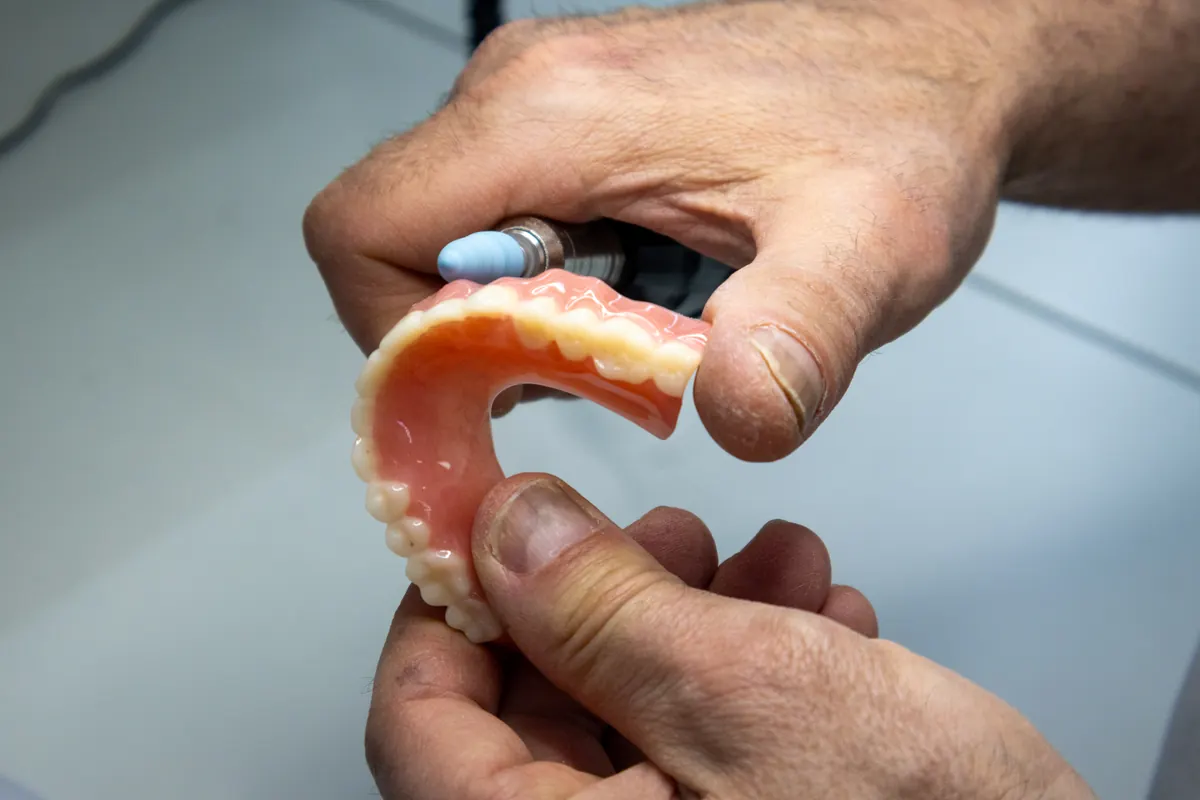
If your denture has started to feel loose, a reline can refresh the fit without making a whole new denture. There are two main types — soft relines and hard relines — and the right one depends on your gums and comfort. This article explains the difference between soft and hard denture relines so you know what to expect, with guidance from our Preston clinic.
What a Denture Reline Does
A reline adds fresh material to the tissue side of your denture so it fits your current gum shape. Over time, gums and jawbone shrink and change, leaving a gap between the denture and the ridge. A reline closes that gap.
Relining is faster and more affordable than making a new denture, and it extends the life of a denture you are otherwise happy with. The catch is that it only refreshes the fit — it does not fix worn teeth or a damaged base.
What is a Soft Denture Reline?
A soft reline applies a medical-grade pliable rubber polymer inside the denture base. It acts as a cushion for patients with thin, sensitive, or chronically tender gum tissue, flat bony ridges, or recent surgical extractions.
Because it has some give, a soft liner is gentler on sore or thin gums. It is often chosen for people who find a hard acrylic surface uncomfortable, or as a temporary measure while gums heal after extractions.
- Cushions thin, tender, or sore gums
- Gentler than hard acrylic for sensitive mouths
- Often used after extractions or surgery
- May need replacing more often than a hard reline
What is a Hard Acrylic Denture Reline?
A hard reline uses durable laboratory acrylic that permanently bonds to your existing base. Hard relines match your denture base and offer durability and longevity (often lasting several years with good care).
Hard acrylic is firmer and more durable than a soft liner, so it suits patients whose gums are healthy and not overly sensitive. It gives a stable, long-lasting fit that does not need replacing as often as a soft liner.
Key Differences at a Glance
The main difference is the material: soft liners are pliable and cushioned, while hard liners are rigid and durable. Soft relines are chosen for comfort and sensitive gums; hard relines for longevity and a stable fit.
Soft relines tend to need more frequent replacement, while hard relines last longer but can feel less cushioned. A prosthetist can recommend the right type based on your gum health and comfort.
Which Reline Is Right for You?
If your gums are sensitive, thin, or healing from extractions, a soft reline is often more comfortable. If your gums are healthy and you want a longer-lasting fit, a hard reline is usually the better choice.
There is no universal right answer — it depends on your comfort, your gum condition, and the denture itself. A prosthetist examines your mouth and denture and recommends the option that suits your case.
How Long Each Reline Lasts
Soft relines are cushioned but generally need replacing more often, sometimes every year or two, because the softer material wears down. Hard relines last longer — often several years — because the acrylic is more durable.
How long any reline lasts also depends on how much your gums change and how well the denture is cared for. Regular reviews help you get the most life out of whichever reline you choose.
When to See a Dental Prosthetist
If your denture feels loose or uncomfortable, book a review to find out whether a soft or hard reline suits you. A dental prosthetist examines your gums and denture and recommends the right option. Call our Preston clinic on 9041 6443.
Key Takeaway
Soft relines cushion sensitive or healing gums but need more frequent replacement; hard relines are durable and long-lasting but firmer. The right choice depends on your gum comfort and the condition of your denture.
Frequently Asked Questions
Have a Question About Your Care?
Our clinical team is happy to discuss any aspect of your dental or denture health. We offer initial consultations for all new patients in Preston.
Related Articles
Valplast Dentures: What They Are, Who They Suit and the Trade-Offs
A Valplast denture is a flexible partial denture, made from a thermoplastic nylon instead of hard acrylic or metal. This guide covers who it suits, how it compares with Flexite and with metal partials, and the trade-offs.
Digital Dentures vs Conventional Dentures: What Actually Differs
Digital dentures vs conventional dentures is mostly a question about how the denture is made, not what it is. Here is what actually differs, and where the research stops short of a clear winner.
How Much Do Dentures Cost in Australia? What We Charge and Why
How much do dentures cost in Australia? It depends on the type of denture, the materials and who makes it. We publish our prices, and this guide explains what decides the price at Preston Dentures and what your quote includes.