
Should You Use Denture Adhesive? Best Practices & Common Myths
Denture adhesive is a useful tool, but it is widely misunderstood. Used well, it adds security and confidence; used as a crutch for a loose denture, it can hide a fit problem that a reline would solve. This article explains when denture adhesive helps, how to apply it correctly, and when it is a sign to see a prosthetist — with practical guidance from our Preston clinic.
What Denture Adhesive Actually Does
Denture adhesive is a paste, powder, or strip that creates a thin extra layer between the denture base and your gum. It improves the seal, which adds hold and helps stop food trapping underneath the plate.
It does not 'fix' a loose denture in any permanent sense. A well-fitting denture may not need adhesive at all. Adhesive is an optional boost, not a requirement — and if you feel you cannot manage without it, that is worth investigating.
When Denture Adhesives Are Helpful
Adhesives add extra stability during public speaking, singing, or eating challenging foods. They are also helpful for patients suffering from severe xerostomia (dry mouth), where the natural saliva seal is reduced.
Some people also like the extra security for a big occasion or a long day out. In these situations, a small amount of adhesive is a reasonable confidence boost rather than a daily necessity.
- Extra hold for speaking, singing or social events
- Help with dry mouth where the natural seal is reduced
- Confidence for tricky or sticky foods
- Added security on long days away from home
How to Apply Denture Cream Correctly
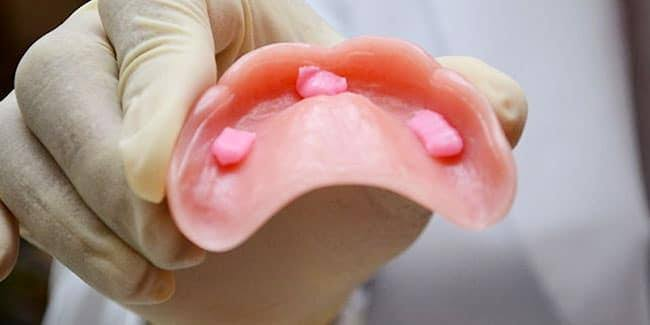
Apply small pea-sized dabs of adhesive cream onto a clean, dry denture base. Avoid placing cream too close to the edges to prevent excess paste oozing into your mouth. A little goes a long way — more is not better.
Press the denture into place and hold it firmly for a few seconds to let the seal form. At the end of the day, clean the denture thoroughly to remove all adhesive residue, since build-up can irritate the gums over time.
Common Denture Adhesive Myths
There are a few persistent myths about denture adhesive that lead people to use it the wrong way. Knowing what is true helps you use it sensibly rather than relying on it too heavily.
- Myth: adhesive means your denture fits well — it does not, it just adds grip.
- Myth: you need adhesive every day — a good fit may not need any.
- Myth: more adhesive holds better — excess just oozes out and irritates.
- Myth: adhesive fixes a loose denture long-term — only a reline does that.
When Adhesive Indicates It's Time for a Reline
If you need excessive adhesive multiple times a day to keep your dentures in place, your jaw structure has changed. It is time for a professional reline or new custom dentures. Relying on more and more adhesive is a warning sign, not a solution.
A reline refreshes the fitting surface so the denture matches your current gum shape, restoring the natural suction without the need for glue. This is more comfortable and more hygienic than piling on cream day after day.
When to See a Dental Prosthetist
If you are using increasing amounts of adhesive to get through the day, your denture likely needs a reline rather than more glue. A dental prosthetist can check the fit and refresh the surface so you do not need to rely on adhesive. Book a review at our Preston clinic on 9041 6443.
Key Takeaway
Denture adhesive is a useful confidence boost for certain situations, not a fix for a loose denture. Apply sparingly, clean thoroughly, and book a reline if you find you cannot manage without it.
Frequently Asked Questions
Have a Question About Your Care?
Our clinical team is happy to discuss any aspect of your dental or denture health. We offer initial consultations for all new patients in Preston.
Related Articles
Valplast Dentures: What They Are, Who They Suit and the Trade-Offs
A Valplast denture is a flexible partial denture, made from a thermoplastic nylon instead of hard acrylic or metal. This guide covers who it suits, how it compares with Flexite and with metal partials, and the trade-offs.
Digital Dentures vs Conventional Dentures: What Actually Differs
Digital dentures vs conventional dentures is mostly a question about how the denture is made, not what it is. Here is what actually differs, and where the research stops short of a clear winner.
How Much Do Dentures Cost in Australia? What We Charge and Why
How much do dentures cost in Australia? It depends on the type of denture, the materials and who makes it. We publish our prices, and this guide explains what decides the price at Preston Dentures and what your quote includes.