
Preparing Your Mouth for Dentures: Healing Times & Care
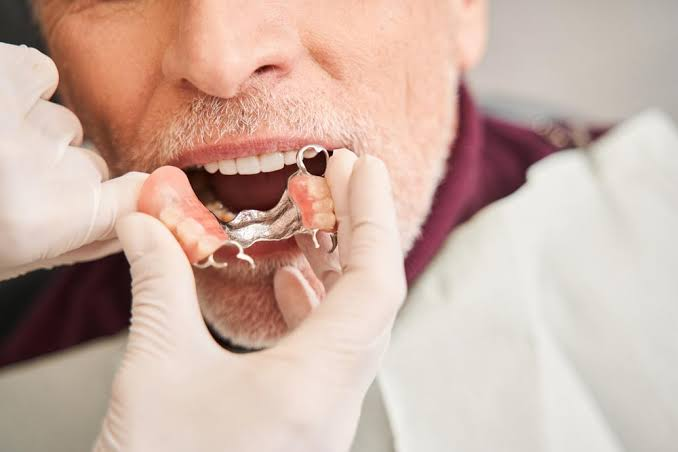
Getting dentures is not just about the day they are fitted — there is a preparation phase that helps ensure a comfortable fit and a smooth transition. Healing times and good care during this period make a real difference to the outcome. This article explains how to prepare your mouth for dentures, what healing times to expect, and how to care for your mouth along the way, with guidance from our Preston clinic.
The Extraction & Bone Remodelling Timeline
After tooth extraction, primary gum tissue healing takes 2 to 3 weeks, while underlying bone remodeling continues actively over 3 to 6 months. The ridge reshapes as the bone settles, which is why the fit of a denture changes during this period.
Understanding this timeline helps set realistic expectations. The mouth is not finished healing when the gum closes over — the bone underneath continues to change for months, which affects how a denture fits over the first year.
- Gum tissue heals over 2 to 3 weeks
- Underlying bone remodels over 3 to 6 months
- The ridge reshapes as the bone settles
- Denture fit changes during this period
Temporary Liners During Healing
As the ridge changes during healing, temporary soft liners can keep an immediate denture comfortable and well-fitting. These liners cushion the healing gums and are replaced as the ridge settles over the months.
Soft liners are a practical way to keep a denture fitting while the mouth is still changing, so you are not stuck with a loose denture during the months of bone remodelling. They are replaced every few weeks as needed.
Maintaining Oral Hygiene During Healing
Rinse gently with warm salt water, brush remaining natural teeth carefully, and keep scheduled follow-ups with your prosthetist. Gentle care protects the healing tissues while keeping the rest of your mouth healthy.
Avoid vigorous rinsing, hard brushing near extraction sites, and sticky or hard foods that can disturb the healing site. Your prosthetist gives you specific aftercare instructions for your case, which are worth following closely.
Choosing Immediate vs Conventional Dentures
Immediate dentures are placed straight after extraction so you never go without teeth, but they need more relining as the ridge shrinks during healing. Conventional dentures are made after healing is complete, so the fit is more stable from the start.
Each option has trade-offs. Immediate dentures give you a smile straight away but need more adjustments; conventional dentures take longer to get but fit more predictably once the ridge has settled. A prosthetist can help you decide based on your needs.
Planning for the Final Denture
Once healing is well underway, the final denture is made from a stable, accurate impression of the settled ridge. This gives a more predictable long-term fit than a denture made over a still-changing ridge.
Patience during the healing phase pays off in the final fit. The ridge needs time to settle into its stable shape, and a denture made from that settled impression fits better and lasts longer.
When to See a Dental Prosthetist
If you are facing extractions or preparing for dentures, a consultation helps you plan the process and understand the timeline. A dental prosthetist can assess your mouth, explain your options, and guide you through healing and care. Call our Preston clinic on 9041 6443.
Key Takeaway
Preparing your mouth for dentures involves a healing timeline of 2 to 3 weeks for gums and 3 to 6 months for bone, with temporary liners and good hygiene supporting a comfortable, stable final fit.
Frequently Asked Questions
Have a Question About Your Care?
Our clinical team is happy to discuss any aspect of your dental or denture health. We offer initial consultations for all new patients in Preston.
Related Articles
Valplast Dentures: What They Are, Who They Suit and the Trade-Offs
A Valplast denture is a flexible partial denture, made from a thermoplastic nylon instead of hard acrylic or metal. This guide covers who it suits, how it compares with Flexite and with metal partials, and the trade-offs.
Digital Dentures vs Conventional Dentures: What Actually Differs
Digital dentures vs conventional dentures is mostly a question about how the denture is made, not what it is. Here is what actually differs, and where the research stops short of a clear winner.
How Much Do Dentures Cost in Australia? What We Charge and Why
How much do dentures cost in Australia? It depends on the type of denture, the materials and who makes it. We publish our prices, and this guide explains what decides the price at Preston Dentures and what your quote includes.