
How to Eat Comfortably with New Dentures: Step-by-Step Transition Guide
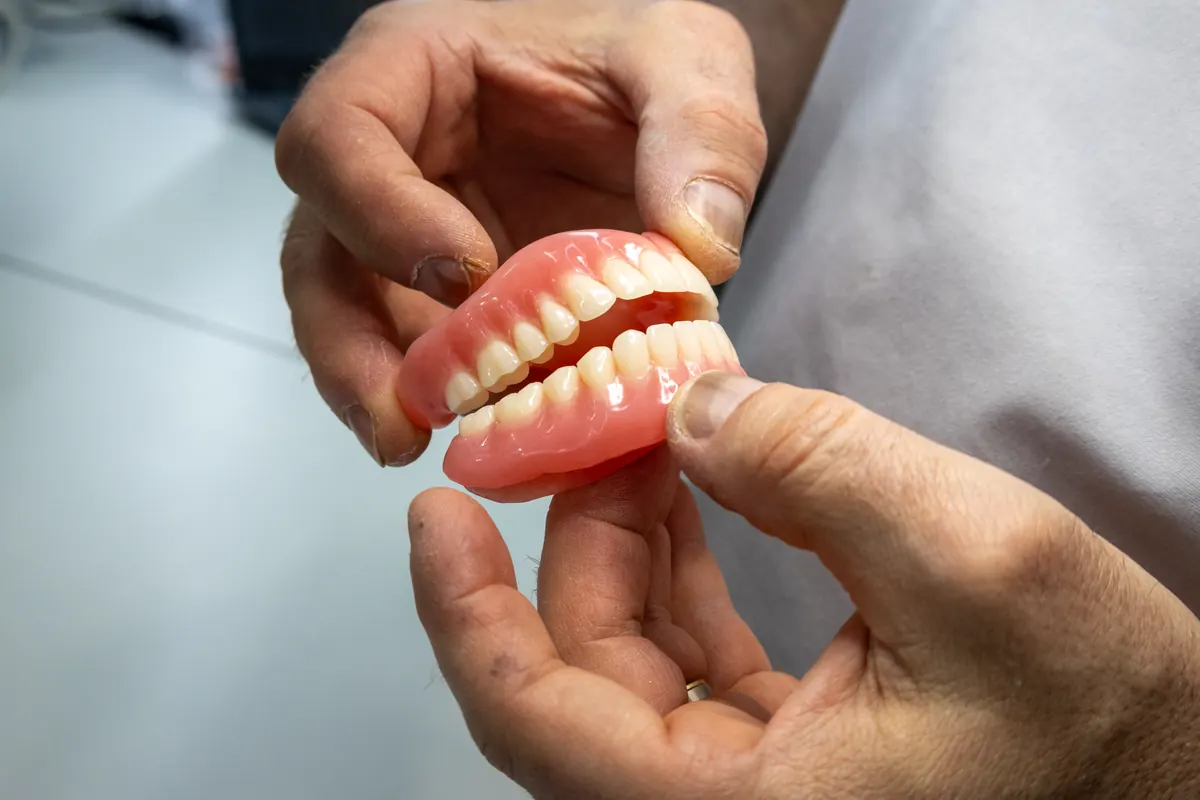
Adjusting to eating with new dentures takes a little patience, but it gets easier every week. Your tongue, cheeks, and jaw muscles need time to learn how to work with your new teeth, and your gums need to toughen up. This step-by-step guide walks through the transition from soft foods back to a normal diet, with practical tips from our Preston clinic to help you eat comfortably and confidently.
Week 1: Soft Food Diet and Small Bites
Start with soft foods like eggs, cooked vegetables, fish, yogurt, and soups. These need little chewing and are gentle on gums that are still getting used to the denture base. Cut food into small, bite-sized morsels rather than biting directly into food with your front teeth.
Biting with the front teeth can dislodge a denture, especially a lower one. Chew using the back teeth instead, and take your time. Eating slowly helps you notice any sore spots early so they can be adjusted before they become a bigger problem.
- Scrambled eggs, omelettes and soft fish
- Mashed potato, pumpkin and well-cooked vegetables
- Yogurt, smoothies and lukewarm soups
- Soft pasta and rice dishes
Equal Chewing Distribution
Chew food slowly using both sides of your mouth simultaneously. Equal bilateral chewing stabilises lower dentures and prevents tipping, because the pressure is balanced across both sides of the denture base at once.
It feels unnatural at first if you are used to chewing on one side, but it is one of the most useful habits to build. Balanced chewing keeps the denture seated, reduces sore spots, and helps your muscles learn the new movement patterns faster.
Gradually Reintroducing Firmer Foods
As the weeks pass and your gums settle, you can slowly add firmer foods back into your meals. The key word is gradually — move too fast and you risk sore spots that set your progress back.
Try tender cooked meats, soft sandwiches, and steamed vegetables before tackling anything firm. If something feels uncomfortable, leave it for another week and try again. Most people are comfortably back to a near-normal diet within a few weeks to a couple of months.
Foods to Approach with Caution
Some foods are genuinely tricky for denture wearers, even once you are well settled. Knowing which ones to be careful with helps you avoid embarrassment and protect your dentures.
- Sticky foods like caramel and chewing gum can pull a denture loose
- Hard items like whole nuts and raw carrots can damage denture teeth
- Tough meats are easier cut into small pieces or slow-cooked
- Very hot foods can be hard to sense, so check the temperature first
Tips for Confidence When Eating Out
Dining out with new dentures can feel daunting, but a little planning makes it comfortable. Choose restaurants with softer options on the menu, and do not be afraid to ask how a dish is cooked.
A light dab of denture adhesive can add extra security for a special meal, though it should never replace a proper fit. If you are still adjusting, schedule a check-up beforehand so any sore spots are sorted before the occasion.
When to See a Dental Prosthetist
Some soreness is normal as you adjust, but persistent pain, loose fit, or difficulty chewing after the first couple of weeks is worth a professional review. A dental prosthetist can trim pressure spots and adjust the fit so eating stays comfortable. Book a review at our Preston clinic if mealtimes are still a struggle.
Key Takeaway
Start with soft foods, chew on both sides, and reintroduce firmer foods gradually. Avoid sticky and very hard items, and book an adjustment if sore spots persist beyond the early settling-in period.
Frequently Asked Questions
Have a Question About Your Care?
Our clinical team is happy to discuss any aspect of your dental or denture health. We offer initial consultations for all new patients in Preston.
Related Articles
Valplast Dentures: What They Are, Who They Suit and the Trade-Offs
A Valplast denture is a flexible partial denture, made from a thermoplastic nylon instead of hard acrylic or metal. This guide covers who it suits, how it compares with Flexite and with metal partials, and the trade-offs.
Digital Dentures vs Conventional Dentures: What Actually Differs
Digital dentures vs conventional dentures is mostly a question about how the denture is made, not what it is. Here is what actually differs, and where the research stops short of a clear winner.
How Much Do Dentures Cost in Australia? What We Charge and Why
How much do dentures cost in Australia? It depends on the type of denture, the materials and who makes it. We publish our prices, and this guide explains what decides the price at Preston Dentures and what your quote includes.