
How Often Should You Replace Your Dentures? Key Lifespan Indicators
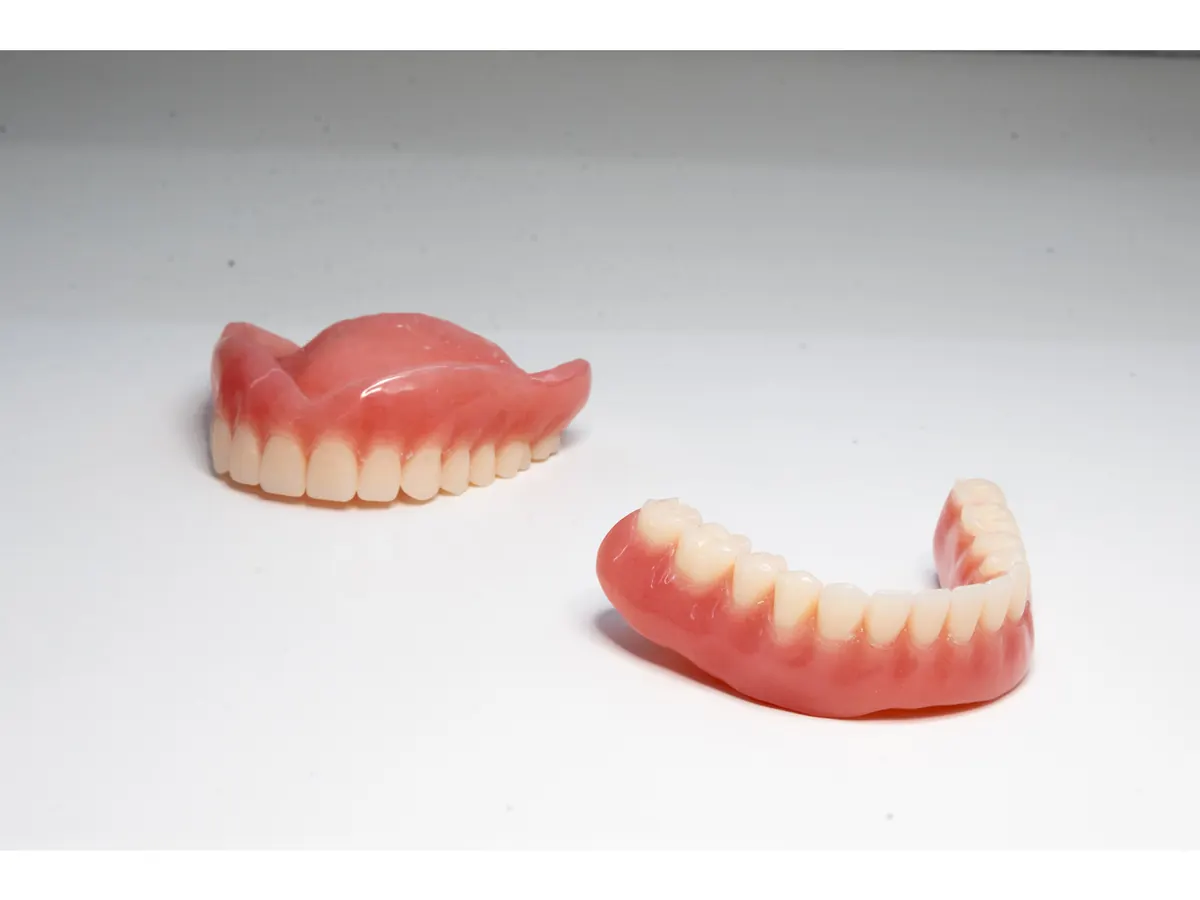
Dentures are not a lifetime purchase, even when they are well made. The materials wear down and your mouth changes shape over the years, so there comes a point when a reline is no longer enough and a new denture is the better option. This article explains how often dentures typically need replacing and the signs it is time, with guidance from our Preston clinic.
Why Dentures Need Replacing
Two things age a denture: the materials wear down, and your gums and jawbone slowly change shape. Over years of daily chewing, the teeth flatten and the base loosens, while the ridge underneath shrinks. Eventually the denture no longer fits or functions the way it should.
A reline refreshes the fit for a while, but once the teeth themselves are worn or the fit has changed too much, a new denture restores both function and appearance. There is no fixed expiry date, but a typical range helps set expectations.
Typical Denture Lifespan
As a general guide, dentures are often replaced every five to seven years. This varies depending on wear, how well they are cared for, and how your mouth changes over time. Some last longer, some need replacing sooner.
The lifespan is not just about the denture standing up to wear. Your gums and jawbone continue to resorb, so even an intact denture can become loose enough to need replacing for comfort and fit, not because it is broken.
- Typical replacement every 5 to 7 years as a general guide
- Lifespan varies with wear, care, and mouth changes
- Relines extend the useful life in between
- A loose but intact denture may still need replacing
Worn-Down Artificial Acrylic Teeth
Over years of chewing, plastic denture teeth flatten, reducing chewing efficiency and causing deep bite collapses that place strain on your jaw joints (TMJ). Worn teeth also change the way your face is supported, which can age your appearance.
Once the teeth are worn flat, a reline cannot help — the issue is the teeth, not the fit. New dentures restore the correct tooth length and bite, which improves chewing and facial support together.
Irreversible Staining and Bacterial Porosity
Over time, micro-porosities develop in ageing acrylic bases where deep-seated odours and fungal spores (candida) embed despite daily cleaning. This is why an old denture can start to smell or look stained even with good hygiene.
Once the material is deeply stained or porous, no amount of cleaning restores it. A new denture made from fresh acrylic is cleaner, fresher, and healthier — and the improvement in comfort and confidence is usually obvious.
Signs It's Time to Replace Your Dentures
Certain signs tell you a reline will not be enough and a new denture is the better choice. Knowing them helps you book a replacement at the right time rather than soldiering on with a denture past its best.
- Loose fit that a reline no longer fixes
- Worn, flat denture teeth or changed bite
- Deep staining or persistent odour
- Cracks, repairs, or a damaged base
- Dentures more than about 5 to 7 years old
When to See a Dental Prosthetist
If your dentures are more than five years old, feel loose despite relines, or show worn teeth and staining, book an assessment. A dental prosthetist can tell you whether a reline will extend their life or a new denture is the better choice. Call our Preston clinic on 9041 6443 to book a review.
Key Takeaway
Dentures typically need replacing every 5 to 7 years as teeth wear, the base loosens, and staining sets in. Watch for loose fit, worn teeth, odour, and cracks, and book an assessment when these appear.
Frequently Asked Questions
Have a Question About Your Care?
Our clinical team is happy to discuss any aspect of your dental or denture health. We offer initial consultations for all new patients in Preston.
Related Articles
Valplast Dentures: What They Are, Who They Suit and the Trade-Offs
A Valplast denture is a flexible partial denture, made from a thermoplastic nylon instead of hard acrylic or metal. This guide covers who it suits, how it compares with Flexite and with metal partials, and the trade-offs.
Digital Dentures vs Conventional Dentures: What Actually Differs
Digital dentures vs conventional dentures is mostly a question about how the denture is made, not what it is. Here is what actually differs, and where the research stops short of a clear winner.
How Much Do Dentures Cost in Australia? What We Charge and Why
How much do dentures cost in Australia? It depends on the type of denture, the materials and who makes it. We publish our prices, and this guide explains what decides the price at Preston Dentures and what your quote includes.