
How Immediate Dentures Work: What to Expect After Extractions
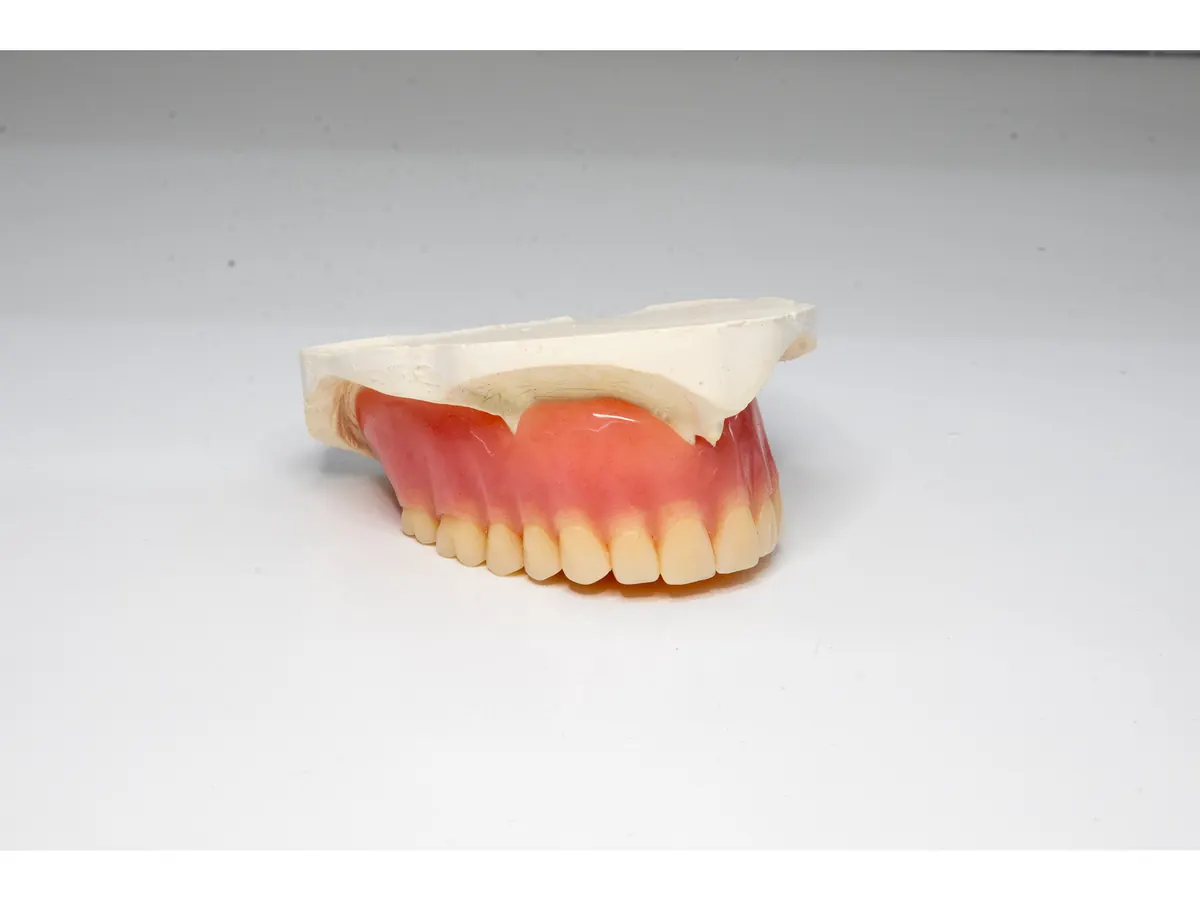
If you are facing tooth extractions, the thought of going without teeth while you heal is understandably daunting. Immediate dentures are made before your extractions so they can be fitted on the same day, letting you leave the clinic with a complete smile. This article explains how immediate dentures work, what to expect during healing, and how to care for them, with guidance from our Preston clinic.
What Immediate Dentures Are
Immediate dentures — sometimes called same-day dentures — are a full or partial denture made before your teeth are removed, so they can be placed straight after extraction. You never go without teeth during the initial healing period.
Because they are made from impressions taken before the extractions, the denture is ready the moment the teeth come out. That means you walk out of the clinic with a smile, which is the main appeal for most patients.
The Pre-Extraction Planning Phase
Before tooth removal, precise impressions and jaw registrations are captured by your Dental Prosthetist. Custom acrylic teeth are placed into the immediate denture base according to your natural facial proportions.
This planning stage is what makes same-day fitting possible. The prosthetist designs the denture around your current smile and bite so it looks natural and fits comfortably the moment it is placed after the extractions.
- Impressions and jaw registrations taken before extractions
- Denture designed to match your natural tooth shape and shade
- Ready to fit on the day of the extractions
- You leave the clinic with a complete smile
Immediate Placement as a Surgical Bandage
Inserting immediate dentures directly after extraction helps control swelling, protects delicate blood clots, and reduces post-operative discomfort. The denture acts as a sort of bandage over the healing sockets.
For the first day or two, you will likely be advised to keep the denture in place to support healing. Your prosthetist gives you specific aftercare instructions, including when you can remove it and how to manage any soreness.
Healing, Tissue Shrinkage, and Temporary Soft Relines
As extraction sockets heal and gum tissues shrink over 3 to 6 months, immediate dentures will require temporary soft relines to maintain snug retention until a final permanent reline is completed.
This shrinkage is normal — your gums and jawbone reshape as they heal. Temporary soft liners cushion the changing gums and keep the denture comfortable until the ridge settles enough for a final, stable reline.
Caring for Immediate Dentures During Healing
Gentle care supports healing. Rinse your mouth with warm salt water as advised, avoid hard or chewy foods, and follow your prosthetist's instructions on when to remove the denture. Clean the denture carefully with a soft brush and non-abrasive cleanser.
It is common to need a few adjustments as healing progresses and the fit changes. Keep your follow-up appointments so the prosthetist can reline or adjust the denture to keep it comfortable.
The Move to a Final Denture
Once healing is well underway and the ridge has settled, many patients move from the immediate denture to a final, permanent denture made from a stable impression. The immediate denture can sometimes be relined instead, depending on its condition.
This step gives a more predictable long-term fit because the denture is made on a settled ridge. A prosthetist can advise when the time is right for your case and whether a reline or a new denture is the better path.
When to See a Dental Prosthetist
If you are planning extractions and want to avoid going without teeth, book a consultation before the procedure. A dental prosthetist can plan an immediate denture, explain the healing timeline, and arrange the follow-up relines you will need. Call our Preston clinic on 9041 6443.
Key Takeaway
Immediate dentures are made before extractions and fitted on the same day so you never go without teeth. They need temporary soft relines as your gums shrink during healing, and often lead to a final, more stable denture once the ridge settles.
Frequently Asked Questions
Have a Question About Your Care?
Our clinical team is happy to discuss any aspect of your dental or denture health. We offer initial consultations for all new patients in Preston.
Related Articles
Valplast Dentures: What They Are, Who They Suit and the Trade-Offs
A Valplast denture is a flexible partial denture, made from a thermoplastic nylon instead of hard acrylic or metal. This guide covers who it suits, how it compares with Flexite and with metal partials, and the trade-offs.
Digital Dentures vs Conventional Dentures: What Actually Differs
Digital dentures vs conventional dentures is mostly a question about how the denture is made, not what it is. Here is what actually differs, and where the research stops short of a clear winner.
How Much Do Dentures Cost in Australia? What We Charge and Why
How much do dentures cost in Australia? It depends on the type of denture, the materials and who makes it. We publish our prices, and this guide explains what decides the price at Preston Dentures and what your quote includes.