
Why Flexible Partial Dentures Are Revolutionising Comfort
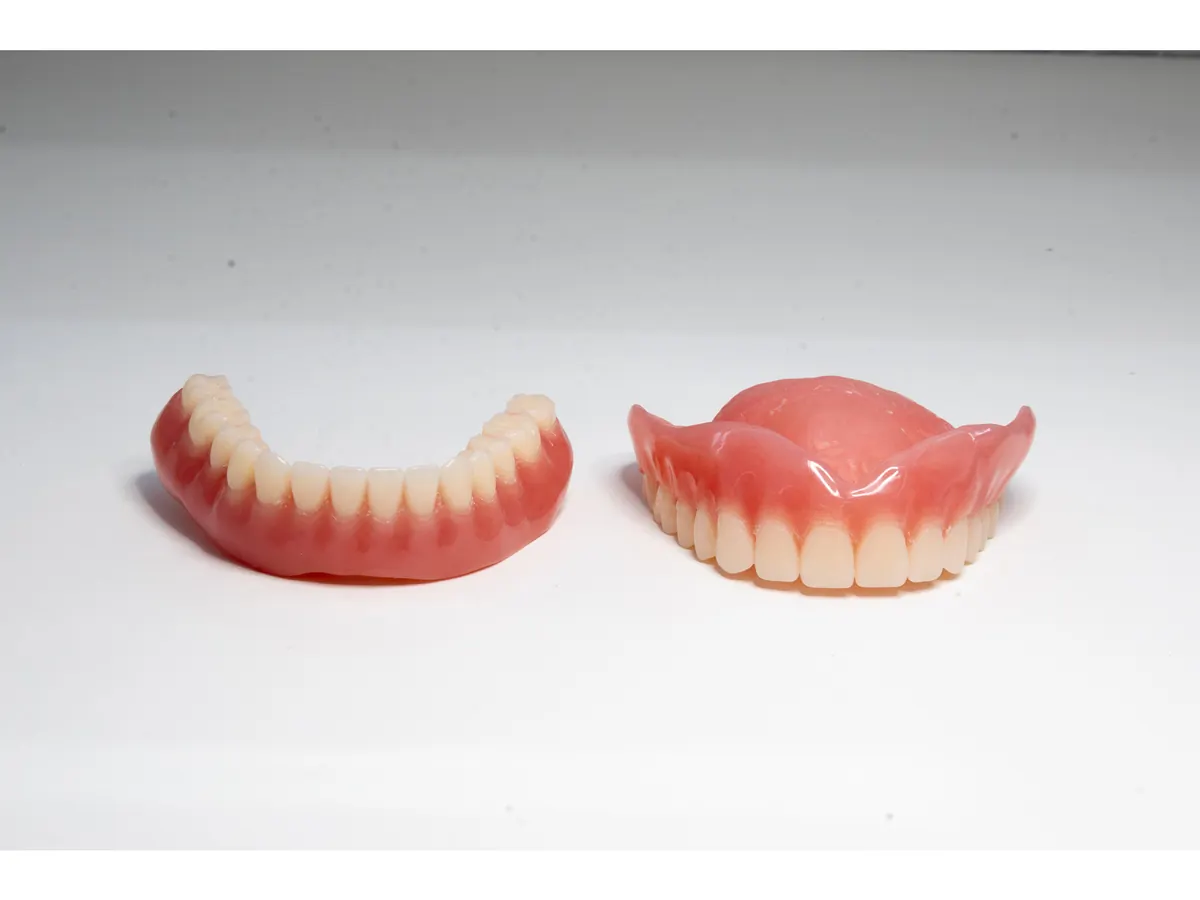
If you need a partial denture but dislike the idea of visible metal clasps, flexible partial dentures offer a lighter, more discreet alternative. Made from a thermoplastic nylon material, they flex with your mouth and blend in with your gums. This article explains how flexible partial dentures work, who they suit, and what to consider, with practical guidance from our Preston clinic.
What Makes a Partial Denture 'Flexible'
Flexible partial dentures are made from a biocompatible thermoplastic nylon material, rather than a rigid acrylic or metal framework. That material has a slight give, so the denture flexes gently with the natural movement of your mouth.
The clasps that hold the denture in place are also made from the same gum-coloured material, so they blend into your gumline rather than sitting as visible metal hooks. This is what gives flexible partials their discreet, natural look.
Gum-Coloured Flexible Clasps
Unlike traditional cast-metal partial dentures with visible metal hooks, flexible partials feature tissue-shaded retention clasps that blend seamlessly into your natural gumline. For many patients, that aesthetic is the main draw.
Because the clasps are tooth-coloured or gum-coloured, they are far less obvious when you smile or laugh. This makes flexible partials a popular choice for replacing teeth near the front of the mouth where appearance matters most.
- Gum-coloured clasps blend into the gumline
- No dark metal hooks on visible teeth
- Lightweight and comfortable to wear
- Suitable for front and back tooth gaps
Superior Comfort and Shock Absorption
Thermoplastic denture material yields slightly under chewing pressure, dampening forces and virtually eliminating rubbing sore spots. Many patients find them more comfortable from the first fitting than rigid alternatives.
The slight flex also means the denture moves with your cheeks and tongue rather than pressing rigidly against them. That can reduce the sore spots that sometimes come with a harder acrylic base.
Who Flexible Partial Dentures Suit
Flexible partial dentures suit patients who want a metal-free, lightweight option and are replacing a few missing teeth. They are often chosen for their appearance, especially where clasps would otherwise show.
They are not the right fit for every case — sometimes a cobalt chrome or acrylic partial is more appropriate depending on your bite, the number of missing teeth, and the health of your remaining teeth. A prosthetist can advise which type suits you.
Caring for a Flexible Partial Denture
Daily care is similar to other dentures: rinse after meals, brush daily with a soft denture brush and non-abrasive cleanser, and soak overnight in water or a suitable soaking solution. Remove it overnight to let your gums rest.
Avoid hot water, which can distort the thermoplastic material, and keep the denture moist when not in use. Regular check-ups help keep the fit comfortable as your mouth changes over time.
Flexible vs Other Partial Denture Types
Compared to cobalt chrome partial dentures, flexible partials are lighter and metal-free but may not offer the same rigidity for larger spans. Compared to acrylic partials, they are thinner and more discreet but can cost more.
Each material has its strengths. The right choice depends on your budget, the position of the missing teeth, and what you find comfortable. We can show you the options and explain the trade-offs at a consultation.
When to See a Dental Prosthetist
If you are missing several teeth and want a comfortable, metal-free partial denture, book a consultation with our Preston clinic. A dental prosthetist can assess your mouth, show you the material, and advise whether a flexible partial suits your case. Call us on 9041 6443.
Key Takeaway
Flexible partial dentures are lightweight, metal-free, and use gum-coloured clasps for a discreet, comfortable fit. They suit many patients replacing a few teeth, though the best type depends on your individual case and bite.
Frequently Asked Questions
Have a Question About Your Care?
Our clinical team is happy to discuss any aspect of your dental or denture health. We offer initial consultations for all new patients in Preston.
Related Articles
Valplast Dentures: What They Are, Who They Suit and the Trade-Offs
A Valplast denture is a flexible partial denture, made from a thermoplastic nylon instead of hard acrylic or metal. This guide covers who it suits, how it compares with Flexite and with metal partials, and the trade-offs.
Digital Dentures vs Conventional Dentures: What Actually Differs
Digital dentures vs conventional dentures is mostly a question about how the denture is made, not what it is. Here is what actually differs, and where the research stops short of a clear winner.
How Much Do Dentures Cost in Australia? What We Charge and Why
How much do dentures cost in Australia? It depends on the type of denture, the materials and who makes it. We publish our prices, and this guide explains what decides the price at Preston Dentures and what your quote includes.