
3D Printed Dentures vs Milled Dentures: Which Should You Choose?
If you're comparing 3D printed dentures vs milled dentures, you've probably found plenty of laboratory-test talk and not much plain advice. This guide explains how each is made, what the research does and doesn't show, what each costs at Preston Dentures, and how we'd weigh the choice. Both are digital dentures: designed on screen, then made by machine in our on-site laboratory at 324 High Street, Preston. We'll point out where the evidence is thin, because in places it is.
What are milled dentures?
A milled denture is cut by a machine from a pre-cured block of acrylic. Because the acrylic is cured before it reaches the machine, the shrinkage that can happen as ordinary denture acrylic sets isn't part of the process.
We design your denture on screen from a scan of your mouth, alongside conventional impressions where your case needs them. You try in a sample so we can check the fit, your bite and how your teeth look, and then the denture is milled from the approved design in our laboratory. We keep your design file, so a replacement can be made from it without starting again from new impressions.
What are 3D printed dentures?
A 3D printed denture is built up layer by layer from dental resin by a printer. It starts from the same scan and on-screen design as a milled denture, so the difference is in how it's made, not how it's planned.
The try-in works the same way, and the denture is printed in our laboratory from the approved design. Because your design is saved, a replacement can be printed later.
Which is better, milled or 3D printed dentures?
Neither is better on every measure. Laboratory tests favour milled dentures for strength and accuracy, but the researchers say clinical trials are still needed to show whether that gap matters in a real mouth.
3D printed dentures cost less at our clinic, and that is often what tips the decision. The table pulls the main points together, and the next sections explain the evidence behind them.
| Milled | 3D printed | |
|---|---|---|
| How it's made | Cut from a pre-cured block of acrylic | Built layer by layer from dental resin |
| Strength in laboratory tests | Higher flexural strength | Lower than milled |
| Accuracy in one multi-centre laboratory study | More accurate at four of five centres | Less accurate at four of five centres, but within a clinically acceptable range for try-in dentures |
| Design file kept for replacements | Yes | Yes |
| Price per arch at Preston Dentures | $3,250–$3,980 | $2,150–$2,950 |
| Often suits | People who want the higher laboratory-test strength and accuracy | People who want a digital denture at a lower price |
Are milled dentures stronger than 3D printed ones?
In laboratory tests, yes. A 2025 review of laboratory studies found milled denture bases had higher flexural strength than 3D printed ones, though the authors call their findings exploratory and say clinical trials are needed before they guide treatment.
Flexural strength is how much bending force a denture base takes before it breaks. The authors link the weaker 3D printed results to factors such as the filler in the resin, the print direction, the layer thickness and how the print is cured afterwards, which means results can vary with the printer and process.
Those are bench tests, not years in someone's mouth. We treat them as one input alongside your bite, your gums and what you'd like to spend.
Is there a difference in fit and accuracy?
In one multi-centre laboratory study, milled try-in dentures were more accurate than 3D printed ones at four of the five centres tested. Even so, the printed dentures at every centre fell within a range the authors describe as clinically acceptable for try-in dentures.
Accuracy was measured in micrometres, which are thousandths of a millimetre. Printed dentures were less true to the design by between 17 and 89 micrometres, depending on the centre, and results varied widely from laboratory to laboratory because each used its own printer, resin and settings. That suggests the equipment and process behind a denture matter, not just whether it was printed or milled.
The study tested try-in dentures, which are the samples you wear before the final denture is made, not finished dentures.
Are 3D printed dentures as good as regular dentures?
A 2024 systematic review concluded that milled and 3D printed complete dentures both performed better than conventional dentures for retention, number of appointments, comfort and predictable maintenance. It also found that patients' satisfaction didn't depend on whether the denture was digital or conventional.
Retention means how well the denture stays in place. Only six studies met the review's criteria, and just two went into the meta-analysis, so we'd read the result as encouraging rather than settled.
Digital isn't right for every mouth. We also make traditional full dentures, and if a conventional denture suits you better, we'll tell you.
How much do 3D printed and milled dentures cost?
At Preston Dentures, a 3D printed digital denture is $2,150–$2,950 per arch and a milled digital denture is $3,250–$3,980 per arch. Your exact written quote comes after an exam at your free first consultation.
An upper and lower set is two arches. You'll find every option side by side on our denture pricing page. If your extras cover includes dentures, you can claim part of the cost, and we process claims on the spot with HICAPS. How much you get back depends on your fund and your level of cover.
Are 3D printed dentures worth it?
They can be, if you want a digitally designed denture at a lower price and you're comfortable with a denture made from a design you've checked at a try-in. Whether they're worth it for you depends on your mouth, how you chew and what you'd like to spend, which we can only judge after an exam.
A saved design also means a spare set or replacement is easier to make later. We can't promise how any denture will feel before it's made, which is why the try-in matters.
Can you eat with 3D printed dentures?
Yes, a 3D printed denture is a full working denture made for daily wear, and so is a milled one. How comfortably you can chew depends mostly on how well the denture fits your gums and bite, which is what the try-in and fitting are for.
We adjust your denture at the fitting so it sits comfortably. If anything feels sore or loose afterwards, tell us so we can look at it.
How long do 3D printed dentures last?
There's no honest single number, because how long any denture lasts depends on how your gums and jaw change and how the denture is looked after. We'd rather tell you when a reline or a remake makes sense at a check-up than promise a lifespan.
Gums and the jaw underneath them change shape over time, which we explain in how jawbone changes affect denture fit.
So which should you choose?
If laboratory-test strength and accuracy matter most to you and the higher price suits you, milled is the safer-looking choice on paper. If you'd like a digital denture at a lower price, 3D printed is a reasonable choice, because the laboratory gap is still waiting on clinical trials to show whether it matters. Whichever you choose, the try-in is where your denture is checked on you before it's made. If the fit, the bite or the look of your teeth isn't right, it's changed in the design first. This is our reading of published research, not a guarantee of how any denture will perform for you.
- Choose milled if the higher laboratory-test strength and accuracy are your priority and the price is comfortable.
- Choose 3D printed if you want a digital denture at a lower price and you're comfortable that the laboratory differences haven't yet been shown to matter in practice.
- Ask about both if you're unsure. We'll recommend one after examining your mouth at your free consultation.
Key Takeaway
Milled dentures lead in laboratory tests for strength and accuracy, but clinical trials are still needed to show whether that matters in a real mouth. 3D printed dentures cost less and suit people who want a digital denture at a lower price. Your free consultation is where we recommend one after examining your mouth.
Frequently Asked Questions
Want to talk it through?
Your free first consultation includes an examination, a talk through milled and 3D printed options, and a written quote, with no obligation to go ahead.
324 High Street, Preston VIC 3072 · Mon–Thu 10am–5pm · Fri 10am–2pm · Sat by appointment · All visits by appointment
About the author
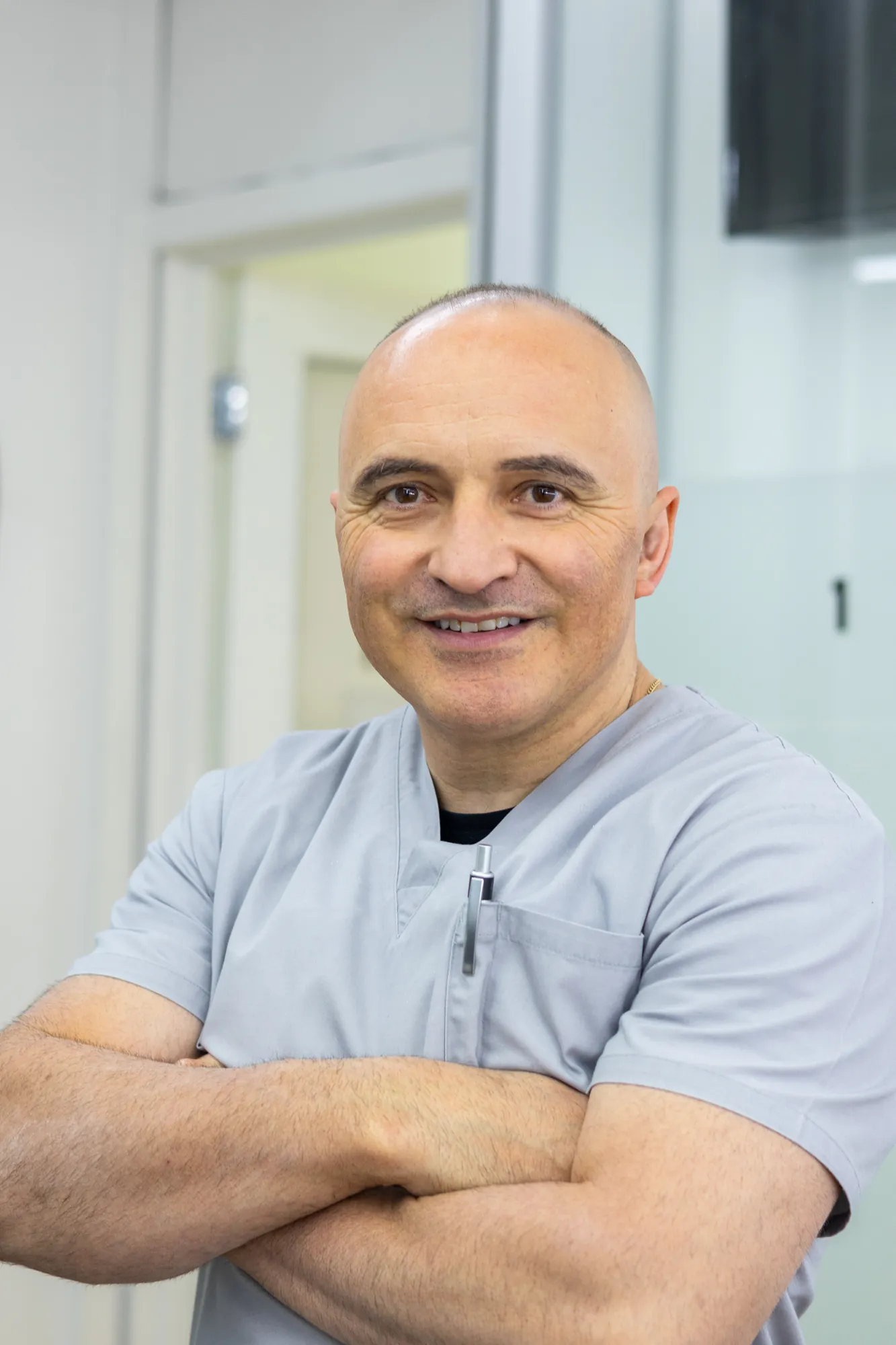
Dragan Flajnik is a dental prosthetist with over 20 years of experience making dentures. At Preston Dentures he works with patients in our on-site laboratory at 324 High Street, Preston, from Preston, Reservoir, Thornbury, Northcote, Coburg and across Melbourne's northern suburbs.
Related Articles
Understanding Jawbone Resorption and How It Affects Denture Fit
Discover why your gums and jawbone shrink after tooth loss and how custom prosthetics maintain facial structure.
The Complete Guide to Denture Care & Maintenance
Learn how to keep your dentures clean, fresh, and properly maintained for maximum longevity and oral health.
Implant Dentures vs. Traditional Dentures: Which is Right for You?
Comparing stability, comfort, cost, and jawbone preservation between implant-retained dentures and removable options.